



Managing Diabetic Retinopathy: A Guide for Patients
Diabetic retinopathy is a serious eye condition that develops when high blood sugar damages the small blood vessels in the retina. Without proper monitoring, it can lead to vision problems and potentially permanent vision loss. At Professional VisionCare, we help patients in Westerville, Johnstown, and Lewis Center understand their risks, monitor their eye health, and take steps to protect their vision.
What Is Diabetic Retinopathy?
Diabetic retinopathy develops gradually, often without noticeable symptoms in its early stages. As the condition progresses, damaged retinal blood vessels may leak fluid or blood, causing swelling and changes in vision. In more advanced cases, abnormal blood vessels can develop, increasing the risk of serious complications.
People with both type 1 and type 2 diabetes can develop diabetic retinopathy. The risk generally increases with the duration of diabetes, particularly when blood sugar or blood pressure is poorly controlled.
Recognizing the Warning Signs
Although diabetic retinopathy may not cause symptoms initially, certain vision changes can indicate that the condition is progressing. Common warning signs include blurry or fluctuating vision, dark spots or floaters, difficulty seeing clearly at night, and areas of missing vision.
Sudden vision loss, a sudden increase in floaters, or a dark curtain across your vision requires immediate medical attention. Even without symptoms, regular diabetic eye exams are essential for detecting retinal changes early.
Why Regular Diabetic Eye Exams Are Important
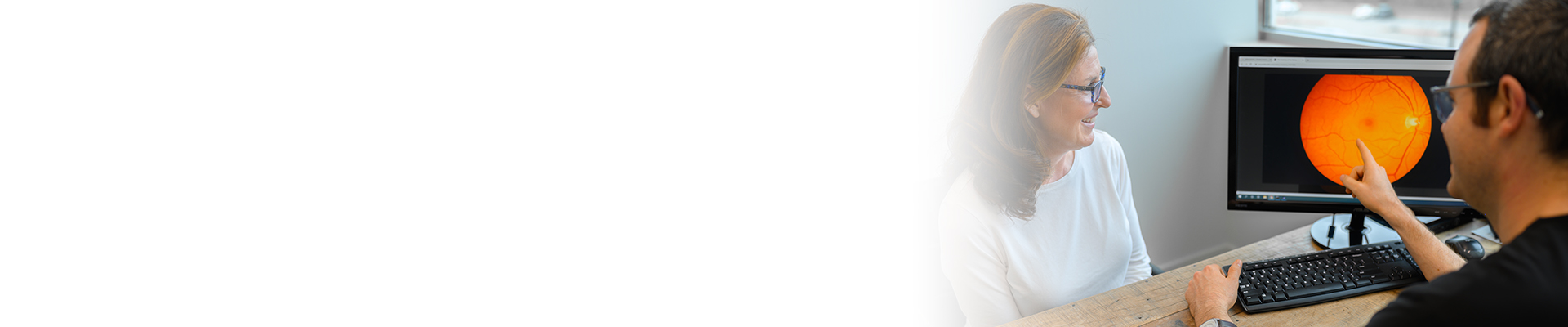
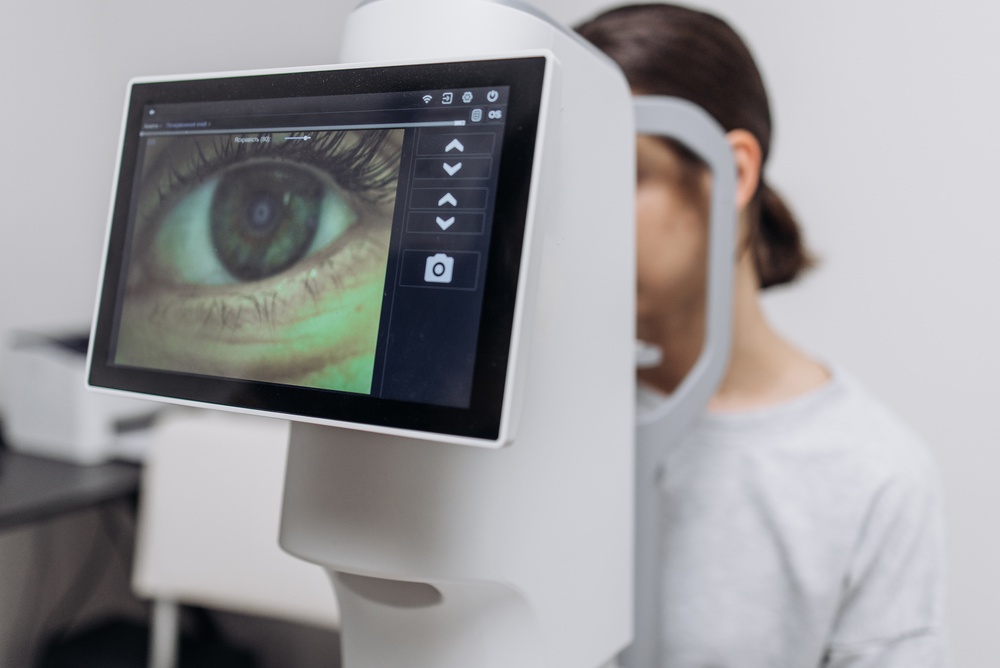
At Professional VisionCare, we emphasize preventive eye care for patients managing diabetes. Comprehensive dilated eye exams allow us to examine the retina for signs of damaged blood vessels, swelling, and other abnormalities. Retinal imaging may also help us document changes and monitor eye health over time. These images complement, rather than replace, a comprehensive dilated examination.
If you are diagnosed with diabetes, please schedule a comprehensive eye examination. Once diabetic retinopathy is detected, follow-up examinations are typically needed at least annually, sometimes more frequently.
Steps to Help Manage Diabetic Retinopathy
Managing diabetes effectively plays an important role in slowing diabetic retinopathy progression and reducing the risk of vision loss. We encourage patients to adopt consistent habits that support their overall health and vision.
- Monitor Blood Sugar Levels: Work with your healthcare provider to maintain blood glucose and A1C levels within your recommended targets.
- Manage Blood Pressure and Cholesterol: Keeping these levels controlled can help reduce additional damage to retinal blood vessels.
- Maintain Healthy Habits: Regular physical activity, balanced nutrition, and avoiding smoking support overall vascular health.
- Keep Scheduled Eye Exams: Routine monitoring helps us identify changes and recommend appropriate care before complications become more serious.
Treatment Options and Ongoing Care
Treatment depends on the severity of diabetic retinopathy. Mild cases may require careful monitoring alongside improved diabetes management. More advanced disease may require specialized treatments, including anti-VEGF injections, laser procedures, or surgery. If specialized retinal treatment is necessary, we can help coordinate a referral and support your ongoing eye care. Our goal is to help patients understand their condition and maintain an appropriate monitoring schedule.
If you have diabetes or have been diagnosed with diabetic retinopathy, schedule a comprehensive diabetic eye exam with Professional VisionCare to take a proactive approach to protecting your sight. Contact our office in Westerville at (614) 898-9989, Johnstown at (740) 967-2936, or Lewis Center at (614) 898-9989 to book an appointment today.



© 2026 Professional VisionCare. All rights Reserved. Accessibility Statement - Privacy Policy - Sitemap
Powered by: