



Stay Ahead of Eye Problems with Regular Comprehensive Eye Exams
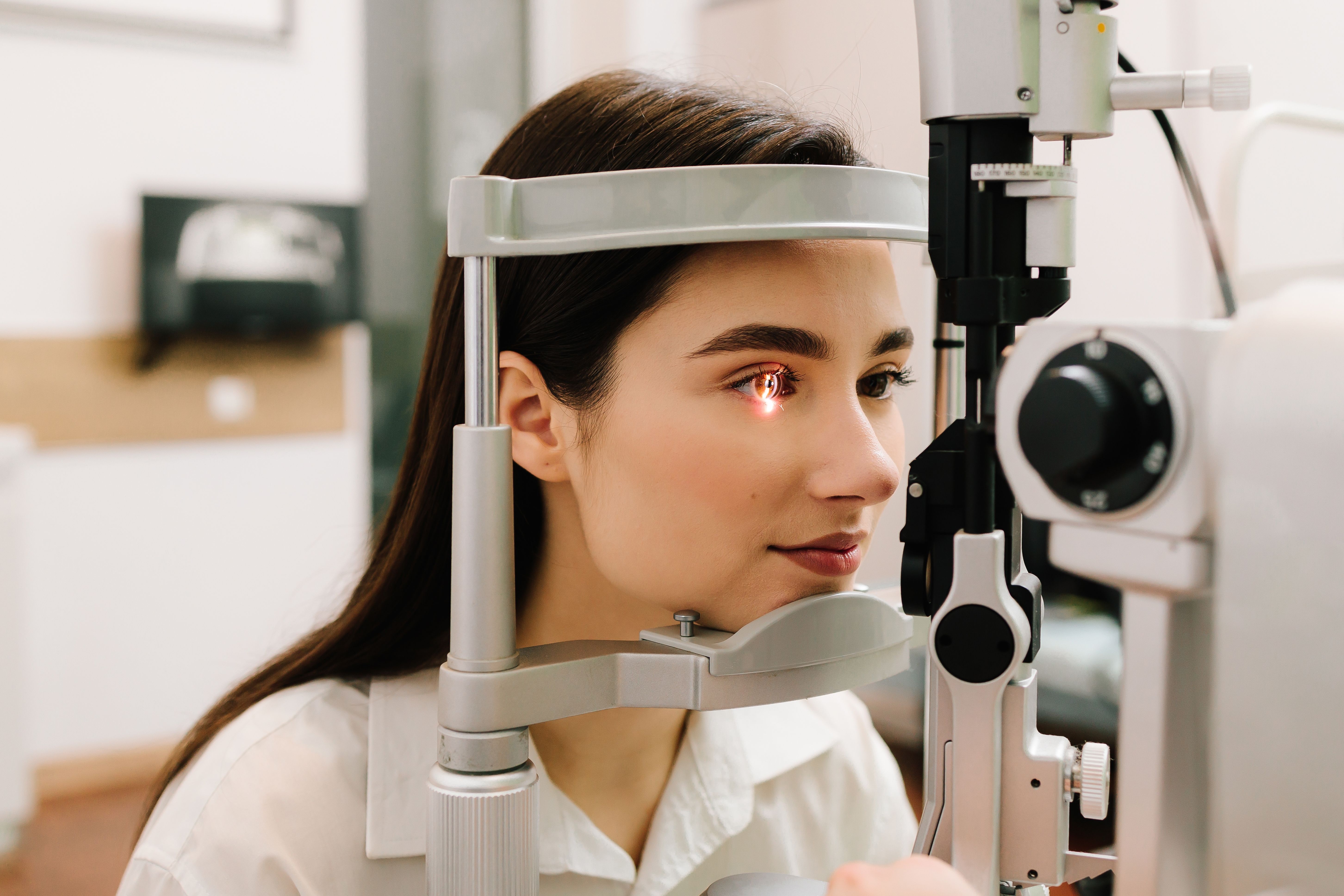
When was your last comprehensive eye exam? If you’re like many people, you may only schedule an appointment when your vision becomes blurry or uncomfortable. However, waiting for symptoms to appear can mean missing early signs of serious eye conditions. At Professional VisionCare, we believe preventive care is the key to protecting your long-term eye health and maintaining clear, comfortable vision at every stage of life.
Why Comprehensive Eye Exams Matter
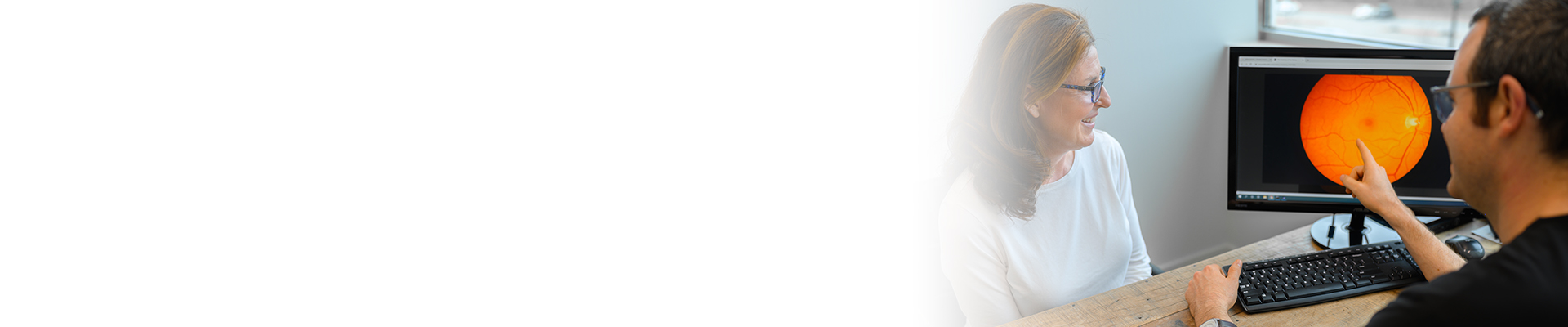
A comprehensive eye exam is much more than a simple vision screening. While vision screenings check whether you can read letters on a chart, a full exam evaluates the overall health of your eyes and visual system using advanced diagnostic technology. Tools such as digital retinal imaging, optical coherence tomography (OCT), visual field testing, and computerized eye pressure measurements allow your eye doctor to detect subtle changes and early signs of disease with greater accuracy and precision.
Many eye diseases develop gradually and without noticeable symptoms in the early stages. By the time changes in vision occur, the condition may already be advanced. Regular comprehensive exams allow your eye doctor to detect problems early - often before you notice anything wrong.
What Can a Comprehensive Eye Exam Detect?
Routine eye exams can uncover a wide range of conditions, including:
- Refractive errors such as nearsightedness, farsightedness, and astigmatism
- Presbyopia
- Color deficiency
- Keratoconus
- Glaucoma
- Macular degeneration
- Diabetic retinopathy
- Cataracts
- Dry eye disease
- Retinal tears or detachments
In addition to eye conditions, your optometrist may also detect signs of systemic health issues such as high blood pressure, diabetes, autoimmune disorders, and even certain neurological conditions. The eyes can provide valuable clues about your overall health.
Early Detection Makes a Difference
Many serious eye diseases are progressive, meaning they worsen over time. The earlier they are detected, the more effectively they can be managed. For example:
- Glaucoma can cause permanent vision loss if left untreated, but early diagnosis allows for pressure management to slow progression.
- Diabetic retinopathy may not cause symptoms at first, but early intervention can significantly reduce the risk of vision loss.
- Macular degeneration treatment is most effective when started early.
Comprehensive eye exams provide the opportunity to monitor subtle changes from year to year, helping your provider catch even small shifts in your eye health.
Who Should Schedule Regular Eye Exams?
Eye exams are important for everyone, regardless of age.
- Children: Early exams ensure proper visual development and can detect issues that may impact learning and performance in school.
- Adults: Even if you have perfect vision, routine exams help monitor for silent eye diseases.
- Adults over 60: The risk of age-related eye conditions increases, making annual exams especially important.
- Individuals with chronic health conditions: Those with diabetes, high blood pressure, or a family history of eye disease may require more frequent monitoring.
Your optometrist at Professional VisionCare can recommend an exam schedule based on your age, health history, and specific risk factors.
Prioritize Your Eye Health at Professional VisionCare
Your eyesight plays a critical role in nearly every aspect of daily life - from driving and working to reading and enjoying time with loved ones. Prioritizing regular comprehensive eye exams is one of the most effective ways to safeguard your vision and maintain your quality of life.
Contact Professional VisionCare to schedule your comprehensive eye exam and ensure your vision stays clear, healthy, and protected for the future. Call our offices in Westerville or Lewis Center at (614) 898-9989 or Johnstown at (740) 967-2936, or book an appointment online.



© 2026 Professional VisionCare. All rights Reserved. Accessibility Statement - Privacy Policy - Sitemap
Powered by: