Blog
Professional VisionCare Blog
Learn more about optometrist care in our blog!

Helping aging parents stay healthy includes making time for their vision. Changes can develop gradually, and some eye diseases have no noticeable early symptoms. Regular eye checks can help detect problems before they interfere with everyday activities.

Living with visual impairment can affect much more than the ability to read an eye chart. Reduced vision may make everyday activities such as reading, driving, using a computer, recognizing faces, or moving confidently through unfamiliar spaces more difficult. At Professional VisionCare, we help patients in Westerville, Johnstown, and Lewis Center understand their vision and find practical ways to make the most of their remaining sight.
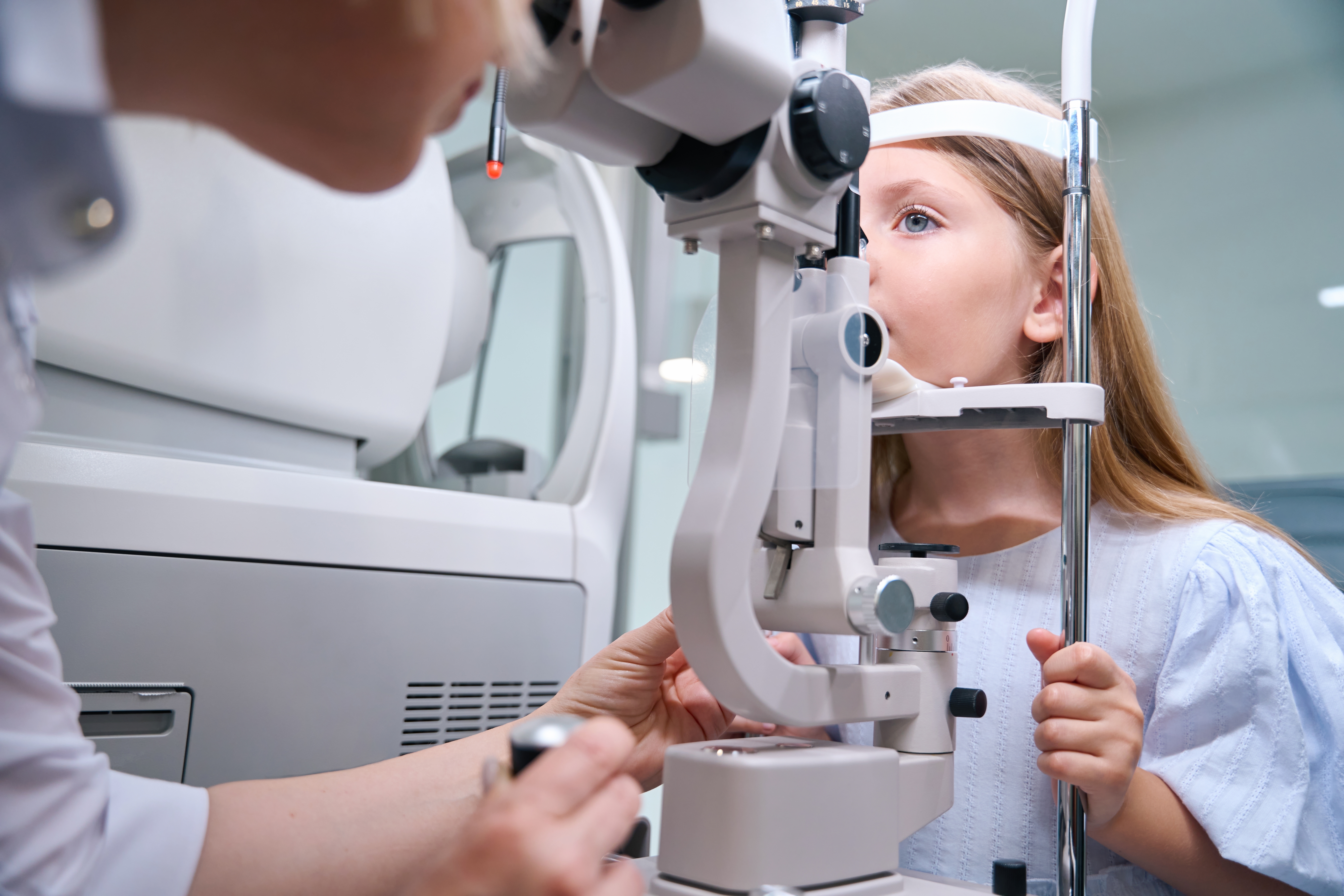
New backpacks, school supplies, and updated schedules are common back-to-school priorities, but clear, comfortable vision deserves a place on the list too. At The Solution Center in Westerville and our Lewis Center location, we help Central Ohio students start the school year with the visual skills they need for reading, writing, screen use, sports, and everyday classroom activities.

As the new school year approaches, many parents focus on supplies, schedules, and routines. One important part of back-to-school preparation is making sure your child can see clearly in the classroom. For children with nearsightedness, myopia management can play an important role in supporting clearer vision and long-term eye health.

A child can pass a school vision screening, read the eye chart clearly, and still struggle with important visual skills needed for learning. Clear eyesight measures how well a child can see letters at a distance, but schoolwork often depends on how the eyes and brain work together up close.

Color plays a role in school, work, driving, hobbies, clothing, food choices, and safety. Children may struggle with color-based learning activities, games, or classroom materials. Adults may notice difficulty matching clothing, reading color-coded charts, identifying ripe produce, or interpreting certain signals. These challenges can feel small to others, but for someone with color vision deficiency, they can affect confidence and independence in everyday situations.

When people think about vision, they often think about seeing clearly at a distance. But clear eyesight is only one part of how the visual system works. Vision therapy is designed to improve the way the eyes and brain work together, helping patients build stronger visual skills that support reading, learning, focus, coordination, and everyday performance.

If you are considering contacts for the first time or need an updated prescription, a contact lens exam is an important step toward clear, comfortable vision. At Professional VisionCare, the goal of a contact lens exam is to help patients find lenses that support both sharp vision and long-term comfort. Whether you wear soft lenses every day or are exploring specialty options, the exam is designed to give your doctor the information needed for a proper fit.
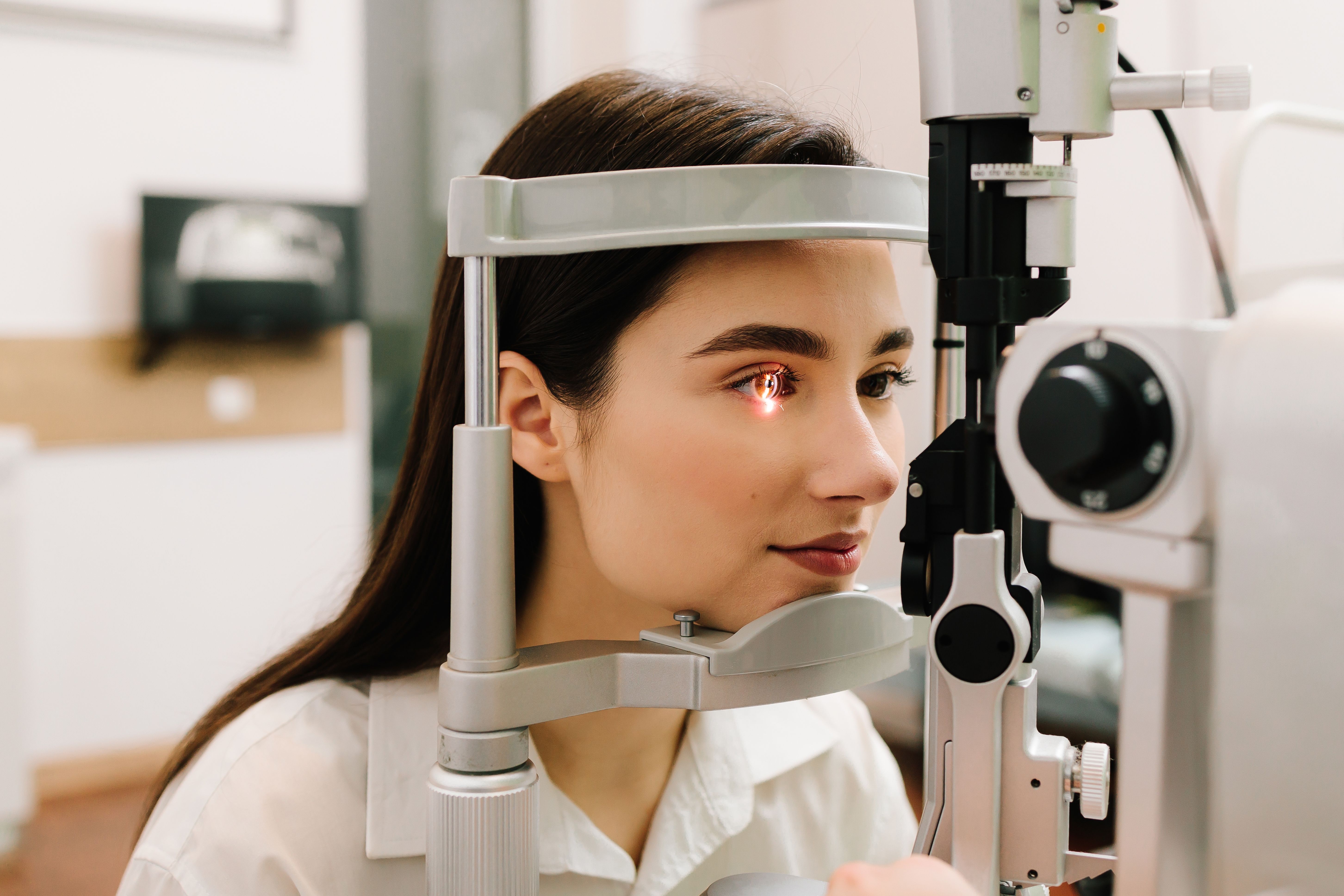
When was your last comprehensive eye exam? If you’re like many people, you may only schedule an appointment when your vision becomes blurry or uncomfortable. However, waiting for symptoms to appear can mean missing early signs of serious eye conditions. At Professional VisionCare, we believe preventive care is the key to protecting your long-term eye health and maintaining clear, comfortable vision at every stage of life.
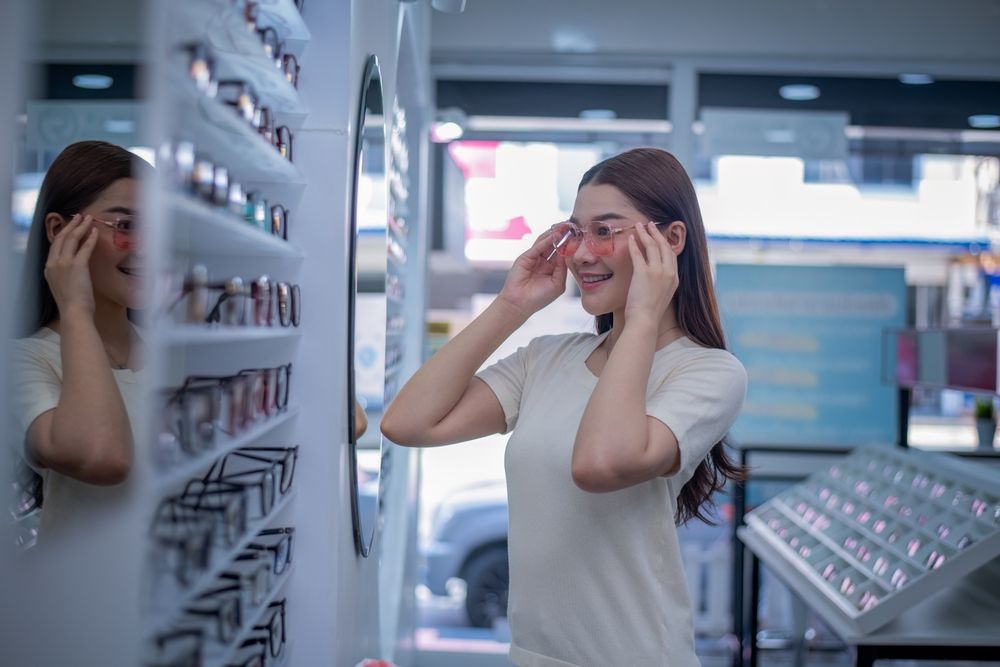
The start of a new year often means your vision insurance benefits have reset - giving you a fresh opportunity to prioritize your eye health and save on essential vision care. Many plans operate on a “use it or lose it” basis, so understanding how to maximize your benefits early can help you avoid unnecessary out-of-pocket costs later in the year.


© 2026 Professional VisionCare. All rights Reserved. Accessibility Statement - Privacy Policy - Sitemap
Powered by: